
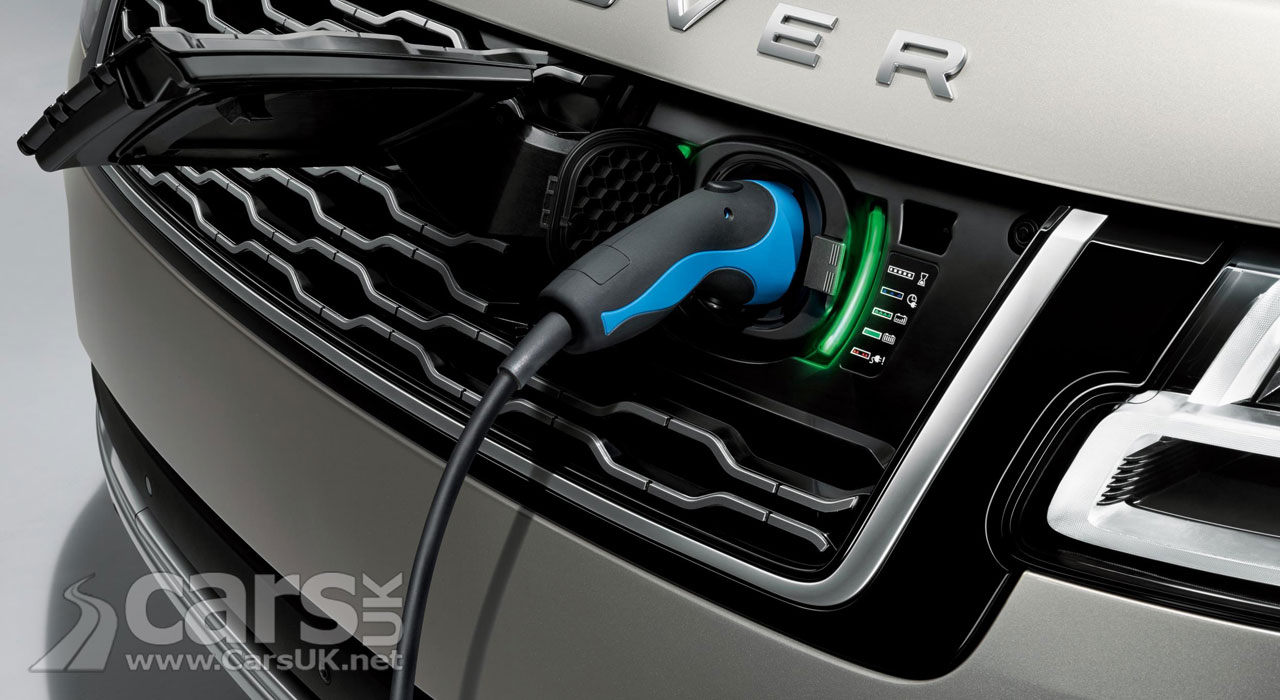
Plug-in Hybrids should be BANNED from public charging
A report commissioned by the RAC declares that plug-in hybrids should be banned from using public charging points as they charge too slowly.

It’s a bit of a daft mindset as, for many users, most plug-ins have enough range – if they’ve had a top-up overnight – to do a normal day of commuting without resorting to the ICE engine.
But in a new report commissioned by the RAC – Development of the UK Public Chargepoint Network – infrastructure expert Harold Dermott argues that the only place plug-ins should be charged is at home, and that they should be banned from using public charging networks.
It seems a bit harsh to say plug-ins have no place at public charging points, but the man has a point.
The fact is that plug-ins are usually only able to charge at a snail’s pace – fine for home and an overnight charge – so even if they are plugged in to a charger which can deliver 50kW, 100kW, 150kW or even the mega charge rates promised bu Ionity, it still charges at a snail’s pace.
That means it could easily take as long for a plug-in to charge to get its 30-mile range back as it would an I-Pace to grab an 80 per cent charge. If the plug-in can’t charge it’s not the end of the world, but if the EV can’t then it’s stranded.
So no matter how much the EV charging network expands – or how rapid the charge rate is – it will, to a point, be for nothing if the available rapid chargers are tied up taking hours to charge a plug-in for a measly 30 miles of range.
Hard to argue against the logic.

Have your say - leave a comment