

Porsche 911 ‘Wet Mode’
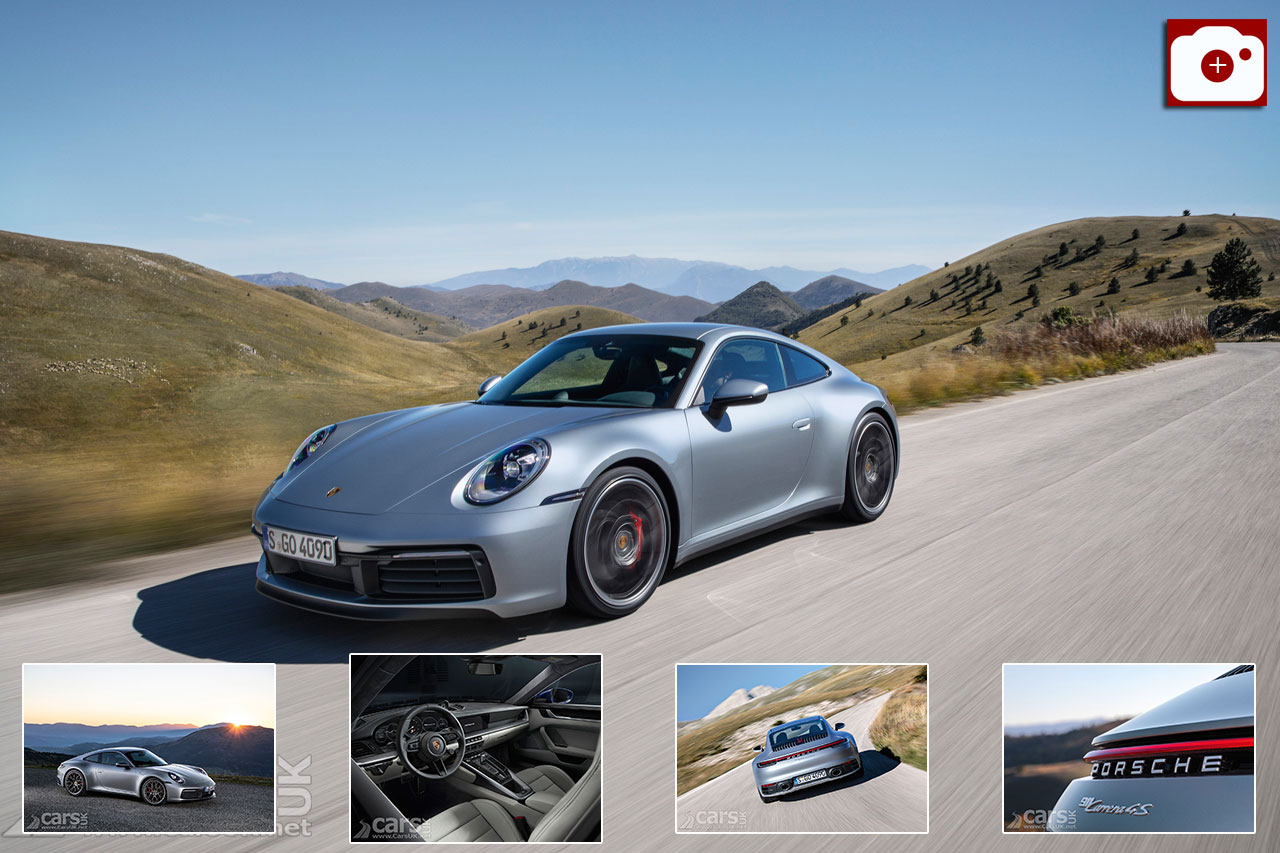
The new Porsche 911 – the ‘922’ 911 – was revealed back in November, and it comes with a ‘Wet Mode’ which aims to counter the 911’s predilection for aquaplaning.

As you’d expect, it comes with a further evolution of the 911’s iconic looks, revised (turbo) engines, a wide body for all models and lots of new technology.
But one new technology the new 911 delivers is one we took little notice of when the new 911 arrived was something called ‘Wet Mode’, but thanks to an article by Automotive News we’ve taken a bit more notice.
The Porsche 911 has always had issues with handling thanks to its rear-engined layout, but Porsche has managed over the years to engineer their way round them (although its original preferred method was to replace the 911 with the front-engined 928), and has continued to do so to make the 911 safer – despite how it’s often driven.
One big issue with the 911 is its predilection for aquaplaning when driven too fast in wet condition thanks to its mile-wide rear wheels, so Porsche has decided to fit a new ‘Wet Mode’ to the new 911 to engineer-out the idiot tendencies of those behind the wheel.
First developed in the 1990s, the new Wet Mode uses microphone sensors in the wheel arches to judge how wet the road is, and if there’s a risk of aquaplaning it tells the driver to activate Wet Mode which reduces torque, biases power to the smaller front wheels and uses aero flaps to create more downforce.
The new system is being fitted to every new 911, although perhaps it might have been easier to teach 911 drivers how to drive in the wet, or simply fit skinnier back wheels.
2019 Porsche 911 Photo Gallery

Have your say - leave a comment