
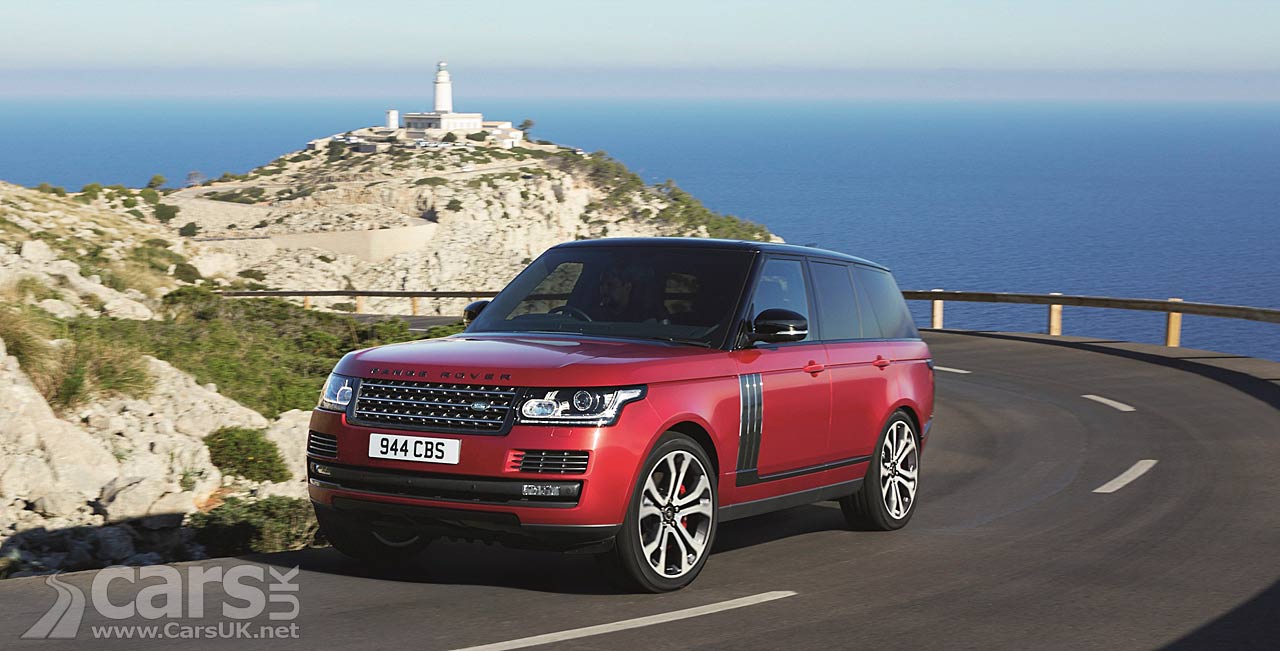
The 20917 Range Rover (pictured) will come with a plug-in hybrid option
The Jaguar i-PACE at the Los Angeles Motor Show is just the tip of Jaguar Land Rover’s electric iceberg, with up to half of JLR’s range to be electrified by 2020.

Speaking at the Los Angeles Motor Show, JLR boss Ralph Speth made it clear that JLR is now diving headlong in to electrification, not just with the fully electric BEV i-PACE, but with plug-in hybrid and mild hybrid powertrains proliferating across the range, to the extent that up to 50 per cent of JLR’s range will offer some sort of electrification by 2020.
That statement makes it clear that JLR’s current platforms are suitable for hybrid electrification, as it looks like the first proper electrified vehicles from JLR will be plug-in hybrid versions of the Range Rover and Range Rover Sport expected to arrive in a year’s time – before the i-PACE.
Dr Speth said:
Design leadership, technical innovation and engineering excellence lie at the heart of this responsible business. Both the Jaguar I-PACE Concept and the Land Rover Discovery are revolutionary vehicles and major innovations in each of their segments, sharing our compelling combination of iconic British design and creative engineering.
We are shaping the future, developing our own approach to autonomy, connectivity and electrification to offer our customers more choice.
Along with electrification of the current range – both plug-in and mild hybrid – and the arrival of the i-PACE BEV, we should also expect to see more new BEV cars from JLR based on the platform designed for the i-PACE.
All of which makes it look like we’re getting close to a tipping point with electric cars, despite there being no disruptive technology advances in batteries so far.
But that could be close, both with Toyota’s solid state battery and graphene batteries, either of which will be a game-changers if they work out, and other advances which could become commercially viable.
But if that happens, it opens a whole new raft of problems.

Have your say - leave a comment