
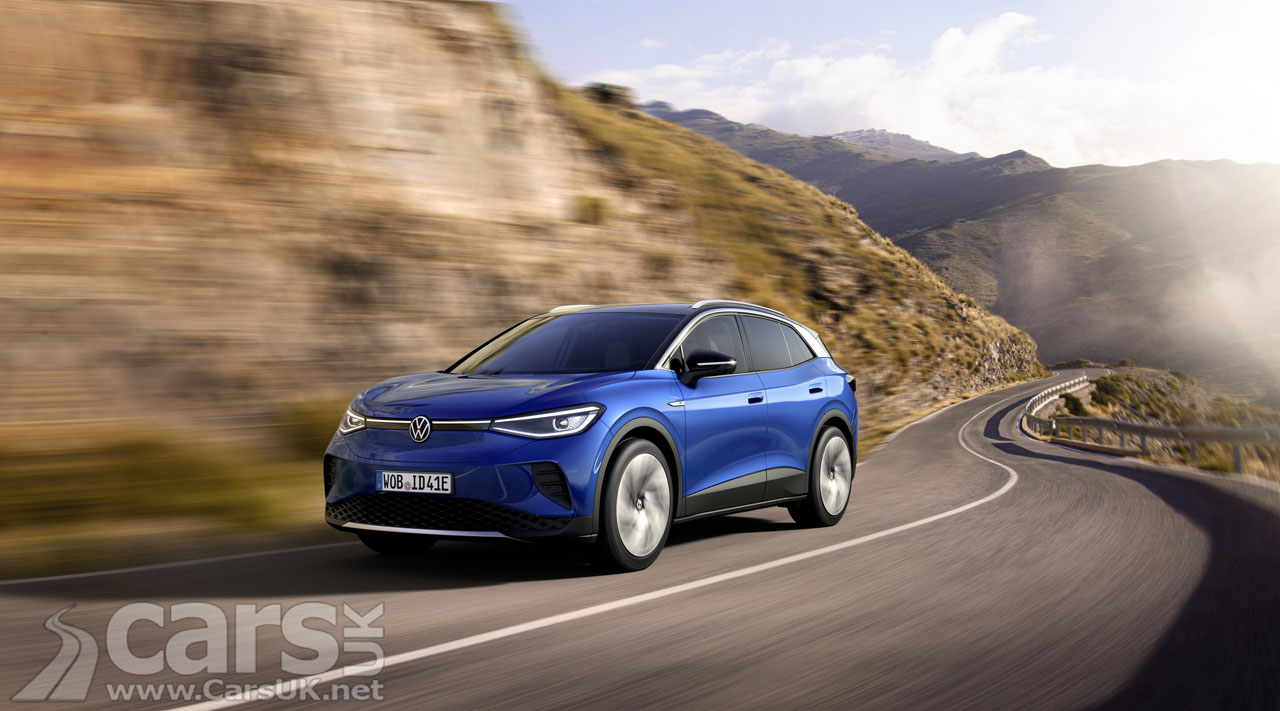
VW plans to keep the batteries in their electric cars forever.
Volkswagen plans to offer used EV leases with its ID family of electric cars, aiming to retain ownership of the batteries forever.

But the problem with EVs, whatever the EV evangelists tell you, is that they just cost far too much for normal buyers to afford the leap from ICE to EV, and that, in the main, is down to the cost of the batteries.
Yes, battery prices have fallen considerably over recent years (we reported in 2018 that the price of the LEAF’s batteries fell 90 per cent in seven years) but they still cost in the region of £100 per kWh, so even a modest VW ID.3 EV with a 45kWh battery pack has £4,500 worth of batteries under the floor.
Prices will continue to fall, it’s expected, and new battery tech – like solid-state batteries – could reduce costs too, but those batteries are valuable and remain so even as the car ages. So VW has a plan to keep their hands on them.
According to VW boss Herbert Diess, VW is planning to offer the ID family of EVs on second, and even third, leases, to keep their electric cars owned in-house, and those expensive batteries too, with VW expecting the cars will last around 8 years on lease with customers and then be stripped and recycled, and the batteries removed for secondary uses whilst still expected to have 70-80 per cent of their original capacity.
Diess said:
The task for our organization is to really try to keep hold of the batteries, and probably get into a second or third lease cycle for the car and then reuse the batteries.
In the regions, it has to be worked out, it has to be agreed with the dealers, but we would like to keep every one of the batteries forever.
Presumably, the cost savings and the second and third lease plans should make it cheaper to get into an EV, even if it is as a second or third lessee, but with OEM support to make it more palatable.
Source: Automotive News Europe

Have your say - leave a comment