
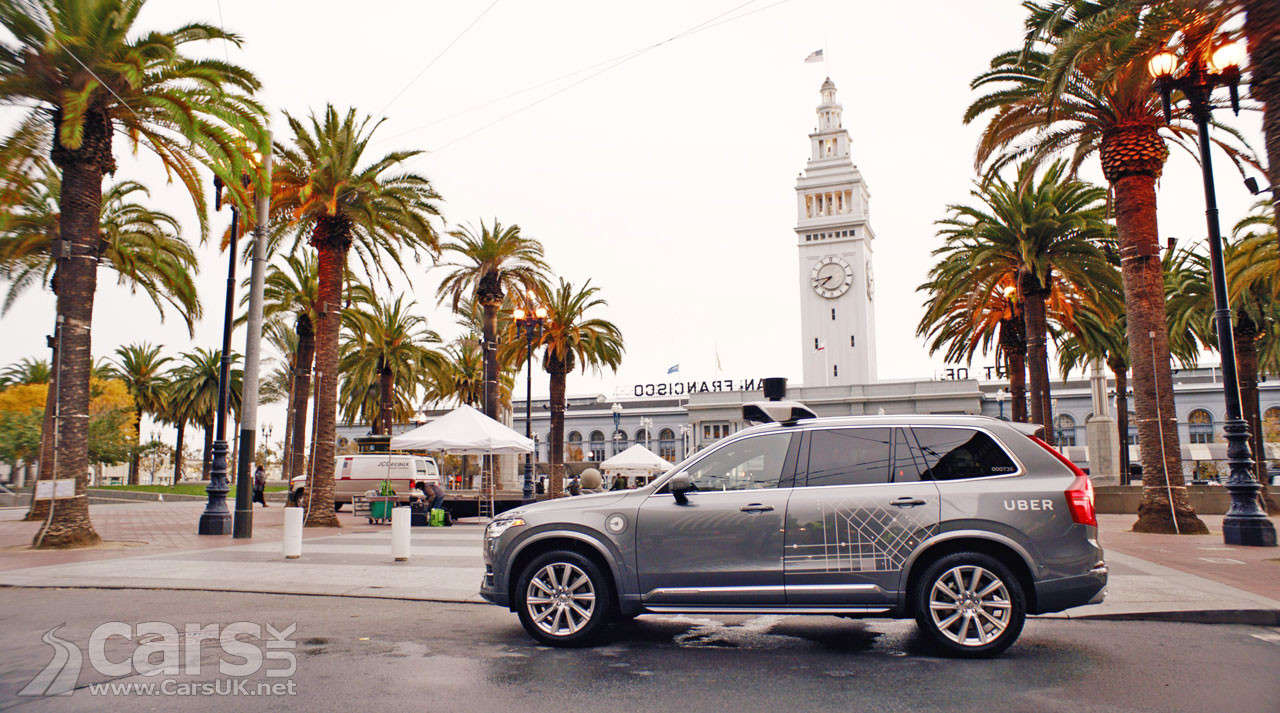
Saudi Arabia see UBER as a bigger threat to oil than Electric Cars
Ride sharing services like Uber are a bigger threat to oil than the rise of hybrid and electric cars say executives from Saudi Arabian Oil Company.

No longer able to easily hold the world’s economies to ransom, the expected fall in oil demand – and rising, cost-effective shale oil production in the US – makes the economies of the Middle East more vulnerable, and has seen dissent in the ranks of OPEC members on oil volumes.
But, perhaps surprisingly, it’s not the threat of electric cars which appears to be worrying oil producers in the Middle East most, but the rise and rise of ride sharing from companies like Uber.
Speaking to the FT, senior execs from the Saudi Arabian Oil Company (Aramco) have said they see electric cars accounting for only 20 per cent of new cars by 2040, and that the biggest threat to oil demand actually comes from ride-sharing Apps like Uber.
Yasser Mufti, Aramco’s VP of Corporate Planning, said Aramco see ride-sharing technology as far more advanced than a wholesale move to EVs, and that would reduce the demand for private cars with a consequential drop in demand for oil.
Mufti reckons there are still two decades of oil growth ahead, but Aramco are already hedging their bets by taking judicious stakes in new technology companies – such as a 5 per cent share in Uber – and planning a float to boost finances.
But at the speed things are moving, are Aramco right?

Have your say - leave a comment