
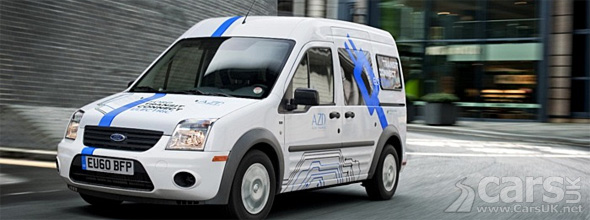
Vans now eligible for EV & plug-in grant

The taxpayer bribe of up to £5,000 or 25 per cent of the vehicle cost (whichever is lower) for buyers of plug-in hybrids and EVs has been extended to 2015 and, for the first time, vans are being included in the scheme.
Despite the £5,000 bribe, sales of plug-ins are feeble. Last year only 900 grants were issued on total sales of just over 1,000 EV and plug-in cars. And with up to 80 per cent of EVs and plug-ins bought by businesses, it means – despite the bribe – only around 200 people actually bought an electric car or plug-in hybrid.
But the announcement that the scheme is being extended to vans as well as cars should have an impact on those numbers. For local delivery vans, an electric powertrain is a sensible option, particularly with the tax incentives on capital allowances available for EVs.
The taxpayer grant for EV vans offers a maximum £8,000 rebate (or 20 per cent, whichever is lower). To qualify, the vans must be able to travel 60 miles between charges (or 10 miles in EV mode for plug-in hybrids), be able to travel at more than 50mph and be properly road legal.
And it makes sense from an environmental point of view for vans. Not because it reduces CO2 – because that’s irrelevant – but because it will reduce pollution of Nox and particulate matter in congested cities. And if the cost to business of running a plug-in hybrid or electric van makes sense, then everyone wins.
As we’ve said before, EVs (and plug-in hybrids) are a toy for the well-off city dweller or the right option for delivery vehicles in urban areas. So this extension for vans is the only common sense part of the policy to bribe buyers in to expensive, inferior transport.
In fact, we’d go so far as to call to an end on the daft policy of giving buyers of EV and plug-in cars a bribe, and instead increase the payments and tax breaks to businesses buying EV and plug-in commercial vehicles.

Have your say - leave a comment