
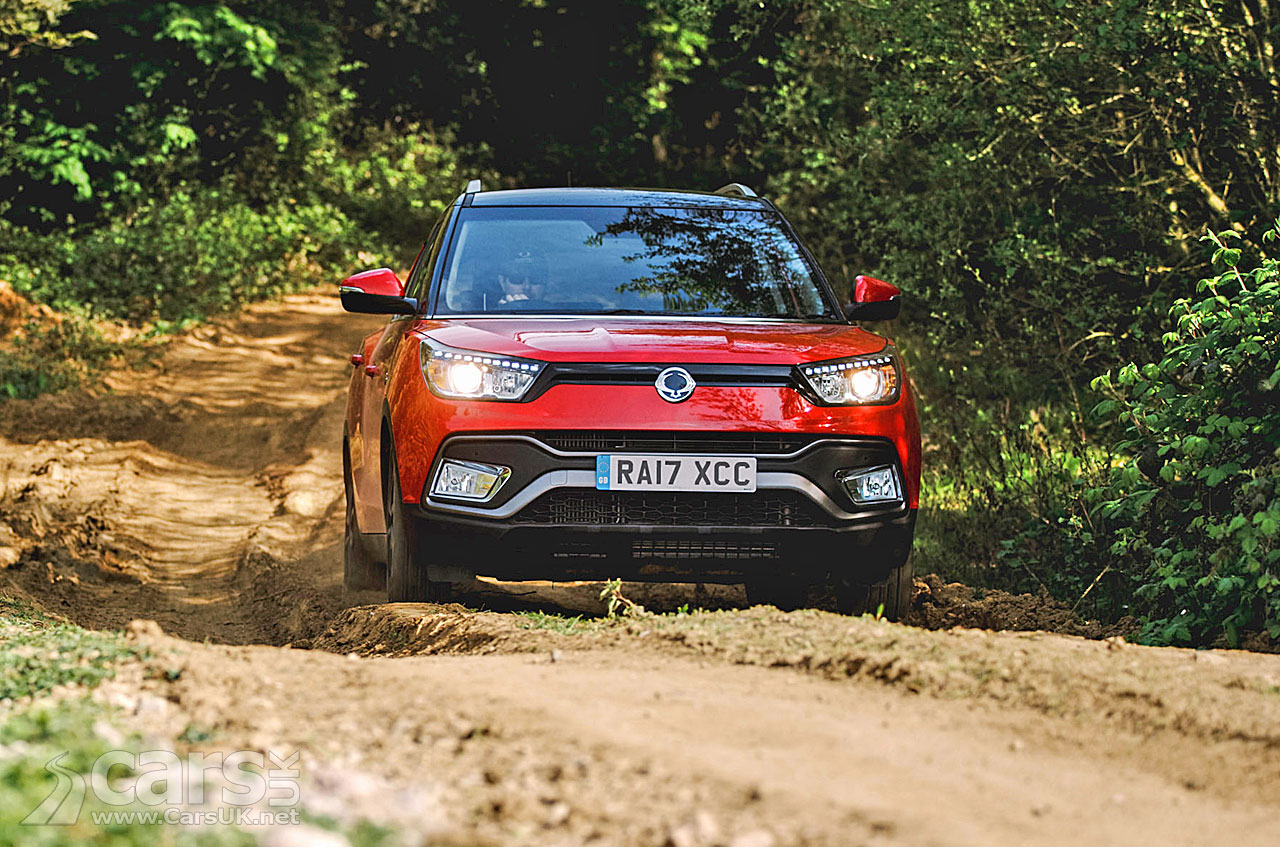
2017 Ssangyong Tivoli XLV out playing
We’ve taken the 2017 Ssangyong Tivoli out to play, complete with new safety tech, and we’ve taken a look at Ssangyong’s other model updates for 2017 too.

We’ve sampled the Tivoli’s new safety paraphernalia, as well as trying the facelifted Korando mid-sized SUV and Musso pick-up for size.
 Inside and out
 Inside and out
SsangYong has left the Tivoli’s largely stylish interior more-or-less untouched in its quest to make the model safer. Our XLV test car – a 4×4 ELX range-topper – costs £20,450 OTR, and benefits from softly-padded ridged leather seats in amongst a jaw-droppingly comprehensive kit tally. There really is too much to list, but among the goodies are; front and rear seat heaters; sat nav; auto lights and wipers; smart entry and a reversing camera.
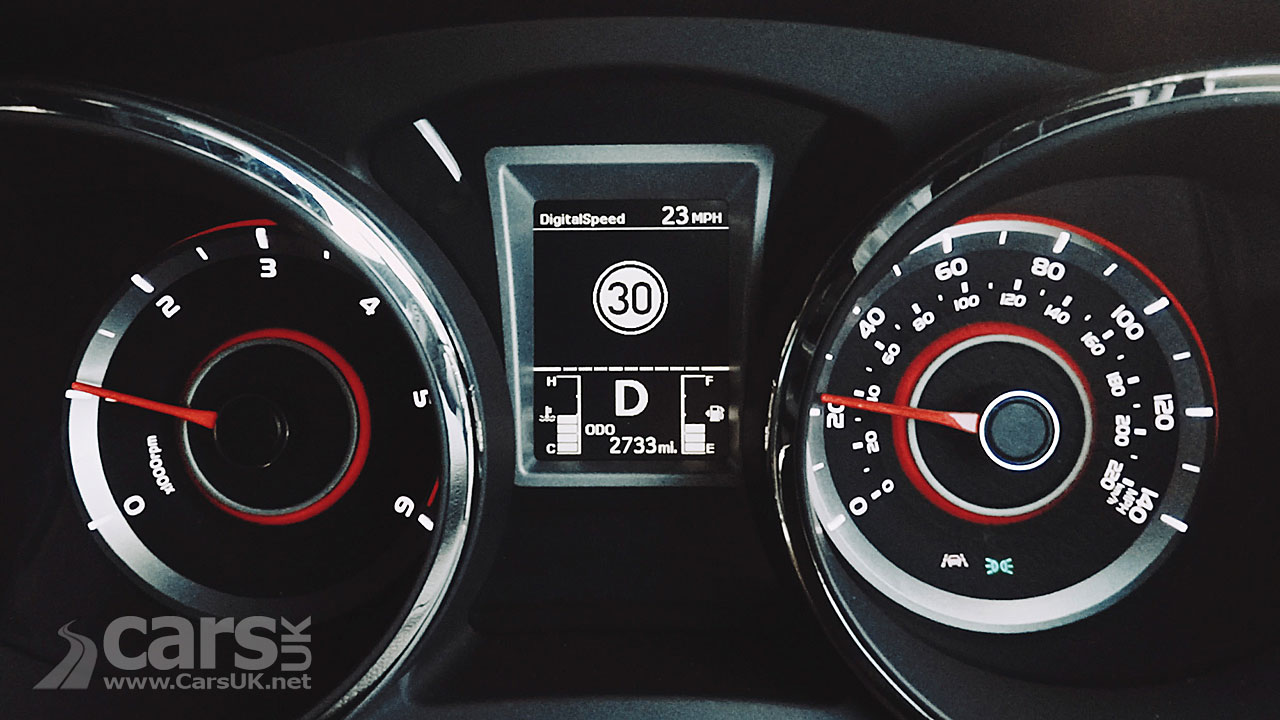
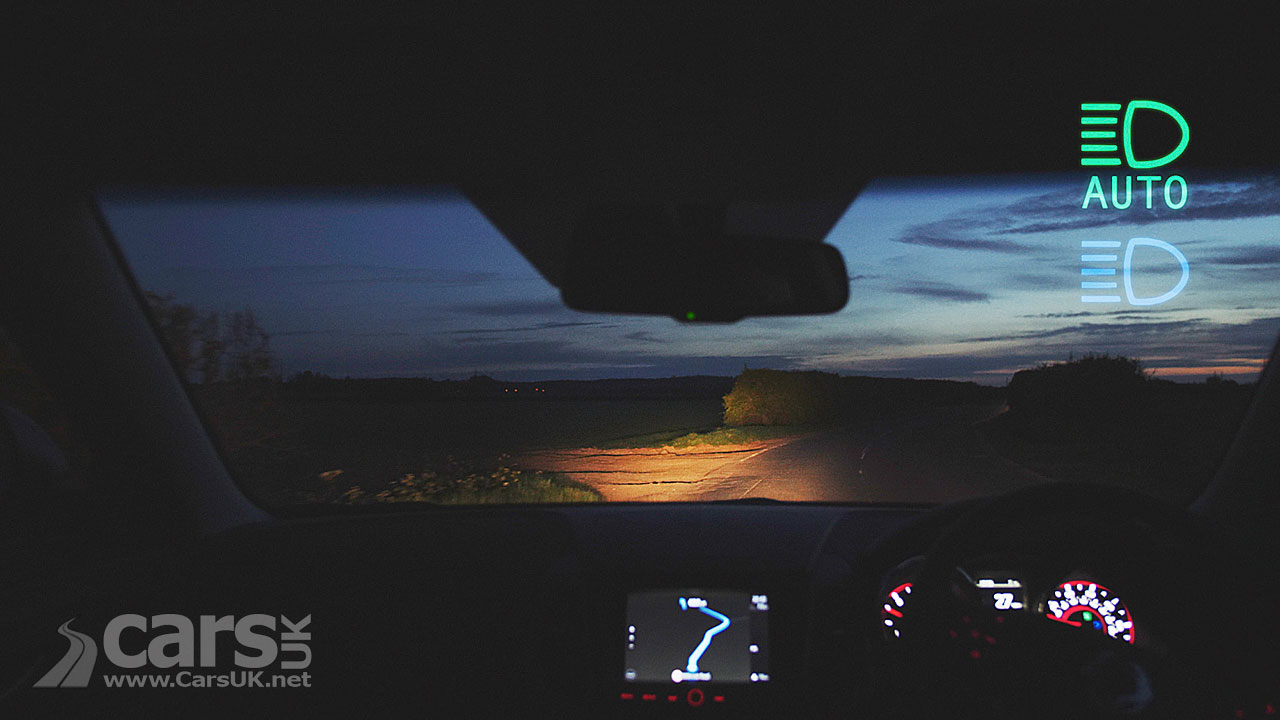
Crucially though, ELX models also benefit from the new-for-2017 safety tech, which comprises Forward Collision Warning (FCW); Autonomous Emergency Braking (AEB); Lane Departure Warning (LDW), Lane Keeping Assist (LKA); Traffic Sign Recognition (TSR) and High Beam Assist (HBA). Curiously, SE models don’t get the tech – and it’s not even available as an option – while mid-grade EX models only benefit from FCW and AEB. This feels like an oversight.
SsangYong is offering this equipment on the Tivoli and Tivoli XLV only – it isn’t yet available on the other models in the brand’s five-strong line-up – and its instrument-binnacle integration feels a little crude. The screen which displays the Traffic Sign Recognition system is black and white and its graphics have a low-resolution, pixelated appearance. Not that you’ll be too concerned when it saves you from collecting a speeding ticket of course, but it’s this lack of finesse which reminds you that while the interior’s design is contemporary, it still has a little way to go before matching rivals for perceived quality.
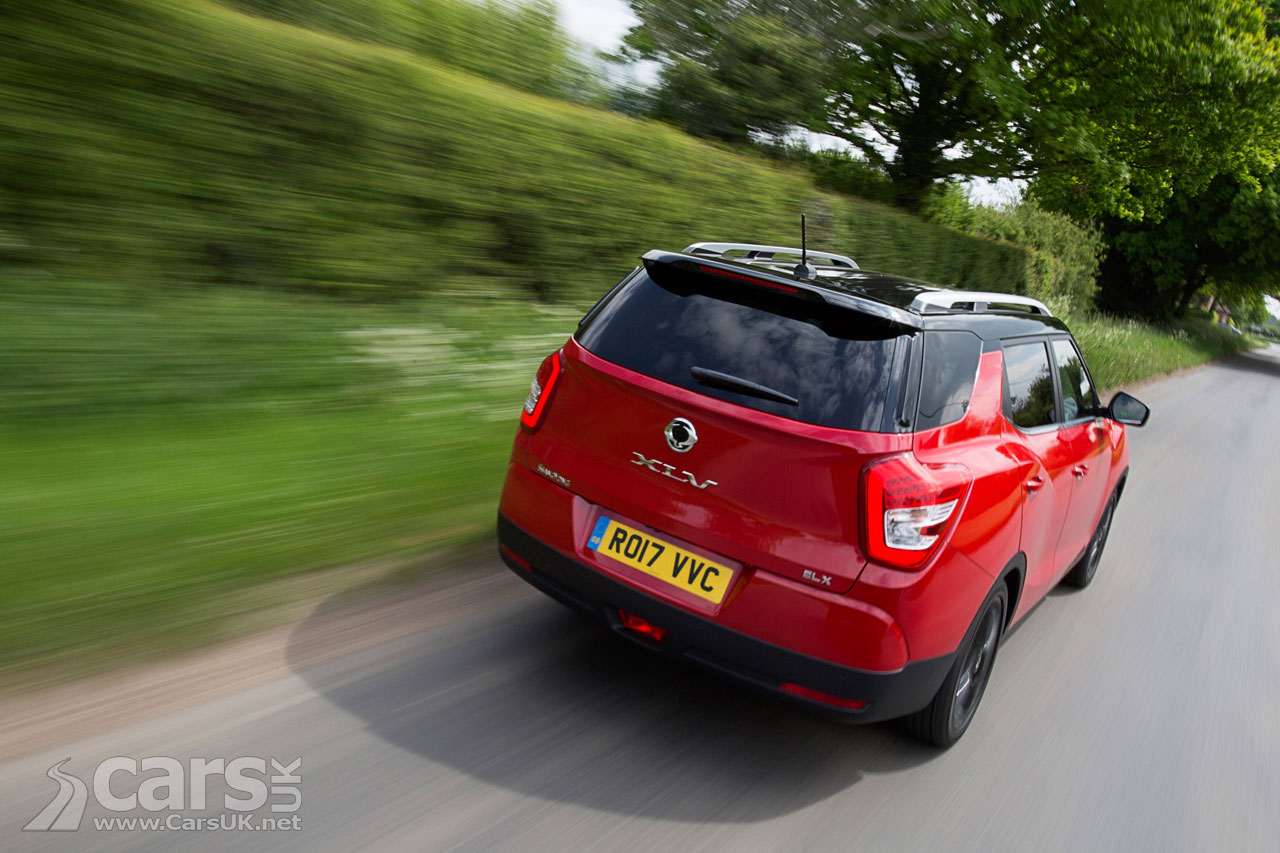
Whether you choose the Tivoli or the XLV, you’ll be impressed by its looks. With its squat stance, floating roof, bi-tone colour scheme and distinctive rear-quarter crease, the Tivoli range is genuinely handsome; its premium appearance banishing memories of the idiosyncratically designed Rodius, Actyon and Kyron models of old. From the outside, the Tivoli looks far more expensive than its £13,300 starting price would suggest.
Performance and on-the-road
 You can deactivate the intrusive new safety tech, but you shouldn’t, as its intuitiveness is to be applauded. Lane Keeping Assist for instance, effectively blocks the driver from turning the wheel and straying out of lane. It’s much more than an ineffectual buzzer reminding you that you’re nodding off. We’ve seen this tech from other manufacturers before of course, but its fitment to a B-segment car from a budget manufacturer is admirable. The fact that this kit is so effective makes it all the more frustrating that you have to move right up to the top of the Tivoli range in order to fully benefit from it, even if leather seats and diamond-cut alloy wheels do have greater curb appeal.
Elsewhere, the Tivoli’s driving experience remains the same. Engine choices are a 1.6-litre 128bhp petrol or 115bhp 1.6-litre diesel with the choice of six-speed manual or automatic transmissions.
Our XLV test car had the diesel/manual combo, and with a healthy 300Nm torque on tap, felt punchy. Engine noise remains the Tivoli’s biggest foible in refinement terms – it’s not a quiet unit at any speed – and sends vibrations through the (flat-bottomed) steering wheel, which feel at odds with the slick, short-throw manual box and steering that can be weighed up preferentially by selecting one of three modes: Normal, Comfort and Sport.
Not to be overlooked is the fact that buyers can choose between front-wheel and all-wheel drivetrains – the latter providing greater flexibility over rougher terrains. Impressive though the on-demand system is, it’s worth bearing in that it adds 130kg to the vehicle’s kerb weight, sending economy tumbling by up to 6mpg officially and reducing the peppiness of the engines. This might explain why only 9% of buyers have opted for it since launch in January last year. A four-wheel-drive Korando, with a start price of £18,500 OTR feels like a better bet.
Minor change Korando and Musso

2017 Ssangyong Korando
Which brings us neatly onto the other changes to SsangYong’s models. For 2017, the Korando – big brother to the Tivoli – has gained a fresher-looking front-end with separately-mounted LED daytime running lights and diamond-cut alloy wheels.
On-the-road, the Korando starts at £17,000 for the two-wheel drive SE through to £23,500 for the ELX 4×4 automatic. Every model is powered by the same 2.2-litre 178bhp Euro 6 diesel engine and boasts a two-tonne towing capacity.
Meanwhile, the Musso pick-up – formerly known as Korando Sports – gains the Caravan Club-coveted 3.5-tonne towing capacity (up from 2.5) and boasts an impressively car-like driving experience thanks to the fitment of sophisticated multi-link rear suspension. Truly, it’s a bargain starting at just £16,395 excluding VAT. Move over Isuzu D-Max.
Verdict
 The Tivoli remains the jewel in SsangYong’s crown. Great value, well-equipped and with a five-year warranty to boot, it retains all of the attributes that buyers expect from the brand, but adds a dose of style and now, sophisticated safety tech. It’s not perfect – refinement, sensory quality and connectivity lag behind the class best – but the fact that the safety tweaks don’t come at the customer’s expense make the model a more compelling proposition. Choose your Tivoli carefully though, as autos and four-wheel-drive variants steer close to rival’s wind in terms of cost.
As for the Korando and Musso, they’re closer to what you’d expect from SsangYong. That’s not to say they’re bad – far from it – it’s just that their focus is on functionality and durability, rather than style and tech. Their honesty – and phenomenal value – is endearing. Want a car to tow, load-up or laugh in the face of wet grass? Either one would be a fine choice.

Have your say - leave a comment